Habitual gratitude as a substitute for understanding
By Nicholas Fry
“Thank you for your service.”
If you’re a veteran, you’ve heard it in the grocery store line, at the airport, from the guy who just noticed your hat. And if you’re honest, you probably have a script ready for it. A nod. A “thanks for your support.” Maybe an awkward “you’re welcome” that never quite feels right coming out of your mouth.
I want to say something that might sting a little, and I say it with love: for a lot of people, “thank you for your service” isn’t gratitude. It’s a reflex. It’s what we say when we don’t know what to say.
Habitual gratitude
Real gratitude connects us. Habitual gratitude does the opposite. It’s a quick exchange that lets someone release their own discomfort and move on. The discomfort of not really knowing what we did. Of guessing at what it cost. Of a quiet guilt that someone else went so they didn’t have to. The phrase wraps all of that up in a bow, and the conversation ends right where it could have started.
Less than one percent of Americans serve in the military. Most civilians don’t have a veteran at their dinner table, so the thank you becomes a stand in for a relationship that doesn’t exist. It’s polite. It’s often sincere. And it can still leave the person on the receiving end feeling more invisible than before. It allows most people to project the perception of caring without taking even a second to understand why they ought to.
What you are actually thanking us for
So let’s be honest about it. When you thank a veteran, here is some of what you’re thanking us for:
- The birthdays, anniversaries, and first steps we missed.
- The friends we carried home and the ones we buried.
- Nineteen and twenty year olds making life and death decisions with no good options.
- The hypervigilance that doesn’t turn off in a crowded store, and the sleep that never fully came back.
- The marriages that didn’t survive the deployments, and the kids who learned to say goodbye too young.
- The things we did, saw, or failed to prevent that still sit heavy.
- The years of therapy just to feel “normal” again.
And yes, the brotherhood, the purpose, and the pride. Many of us miss it. That’s part of what makes coming home so complicated.
The sacrifices didn’t end when we left
During the tragedy that was the withdrawal from Afghanistan, I was running a moral injury group at the VA clinic where I worked. Veterans were having a hard time watching 20 years of war come to an end with very little to show for it. The group I formed was made up of some of the most hardened and experienced combat veterans in our clinic, the ones who had been put in the most impossible situations, where their morals and values sometimes came in direct conflict with their mission.
I got to know these men pretty well. During one of our groups, as I was listening and reflecting on what they were sharing, I realized something astounding.
Of the 12 combat veterans in that room, 11 of us had been divorced or were going through a divorce. Including me.
Trauma doesn’t just impact our sense of safety in the world. It deeply impacts our self esteem and our ability to trust and connect with others. That has a profound impact on our relationships, and it’s a cost that can’t be measured by statistics.
I know for certain the 11 men I sat with in that room don’t want you to thank them for their service. They don’t even want a free meal at a crowded restaurant. They want acknowledgment of their experience and an understanding of the true cost of war.
For some veterans, being thanked is the most confusing part of all. When you carry moral injury, a stranger’s gratitude can land right on the thing you’re most ashamed of. They’re thanking you for the chapter you’re still trying to make peace with. Because of all that a veteran might be carrying, a thank you often feels like it’s for you and not for us.
And what we actually hear is, “I don’t get it.”
Gratitude without understanding is a transaction. Understanding is the real thank you.
Welcome home
There’s a reason so many Vietnam veterans would rather hear “welcome home” than “thank you for your service.” Almost every Vietnam veteran has a story of the cruelty and shame they faced returning home to a country that asked them to go to war. Most of these men were drafted, doing the right thing for their country. Many of them were spit on, chased through airports, or greeted with racial slurs or worse.
“Welcome home” is not just a thank you. It’s an acknowledgment of what they may have experienced when they got here. It is both a thank you and an apology. It is both gratitude and validation.
I think that’s the common thread. Not returning a generic sense of gratitude, but making an honest attempt to connect with someone’s experience in a way that shows them you understand.
What to do instead
This isn’t an argument against gratitude. It’s an invitation to go one layer deeper. Next time, try this:
- Ask a real question. “Where did you serve?” “What was coming home like?” “What do you miss?” Then listen to the answer, even when it’s uncomfortable.
- Let it be awkward. You don’t need the right words. Your willingness to stay in the conversation says more than any script.
- Skip the questions that serve your curiosity, not their story. Please don’t ask if they killed anyone.
- If you meet a Vietnam veteran, say “welcome home.” You may be the first person who ever has.
- Remember the families. Spouses, kids, and Gold Star families carry the cost of service too, often with even less recognition.
- Check on the veterans in your life, and not just on November 11th.
Understanding is where healing starts
This kind of understanding isn’t just a better way to say thank you. It’s the key to healing. Veterans rarely heal in rooms where they have to translate their experience, explain the culture, or protect someone else from the weight of what they carry. Healing starts when someone can sit with the whole story without flinching, rushing to fix it, or thanking it away.
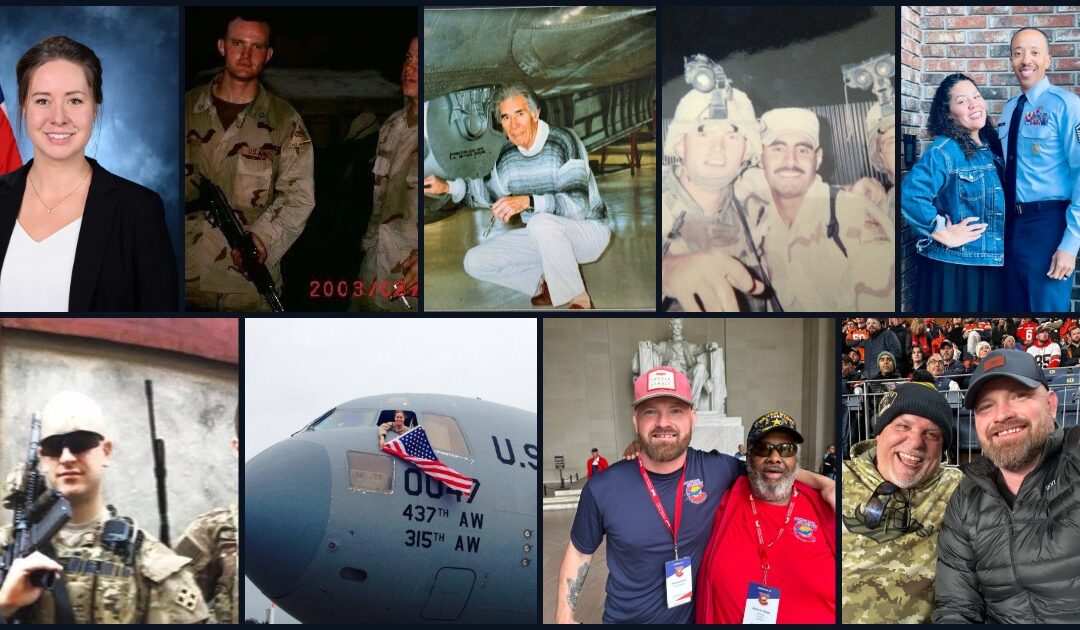
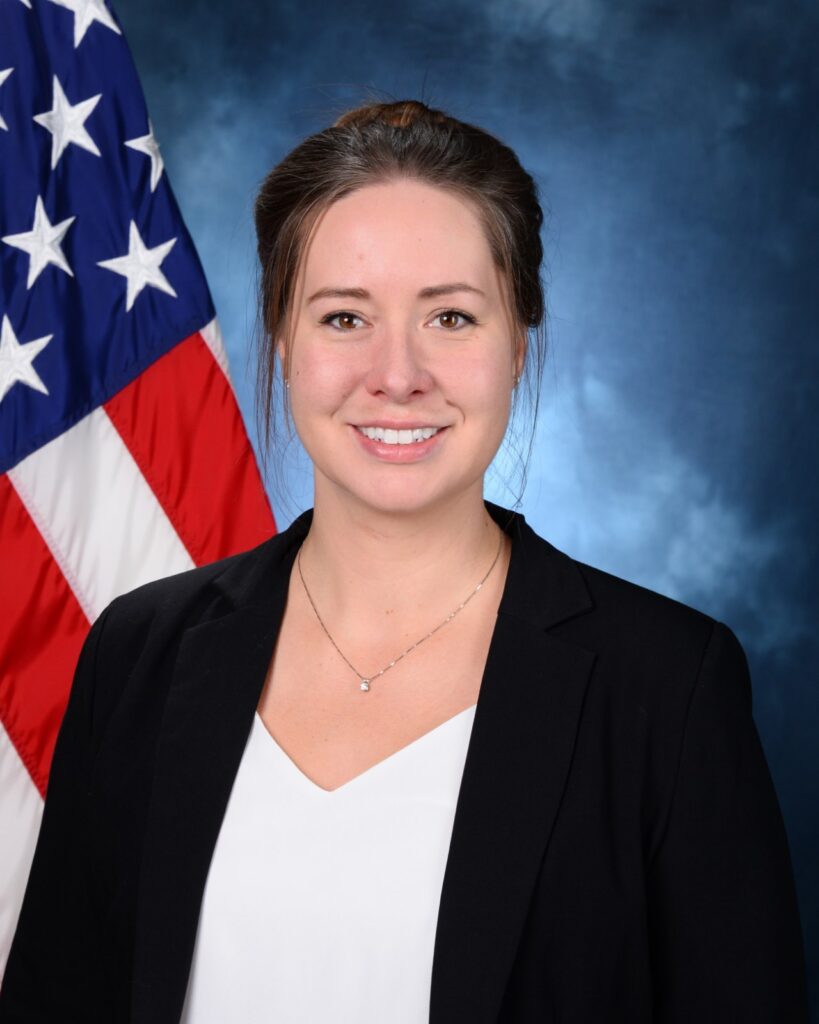
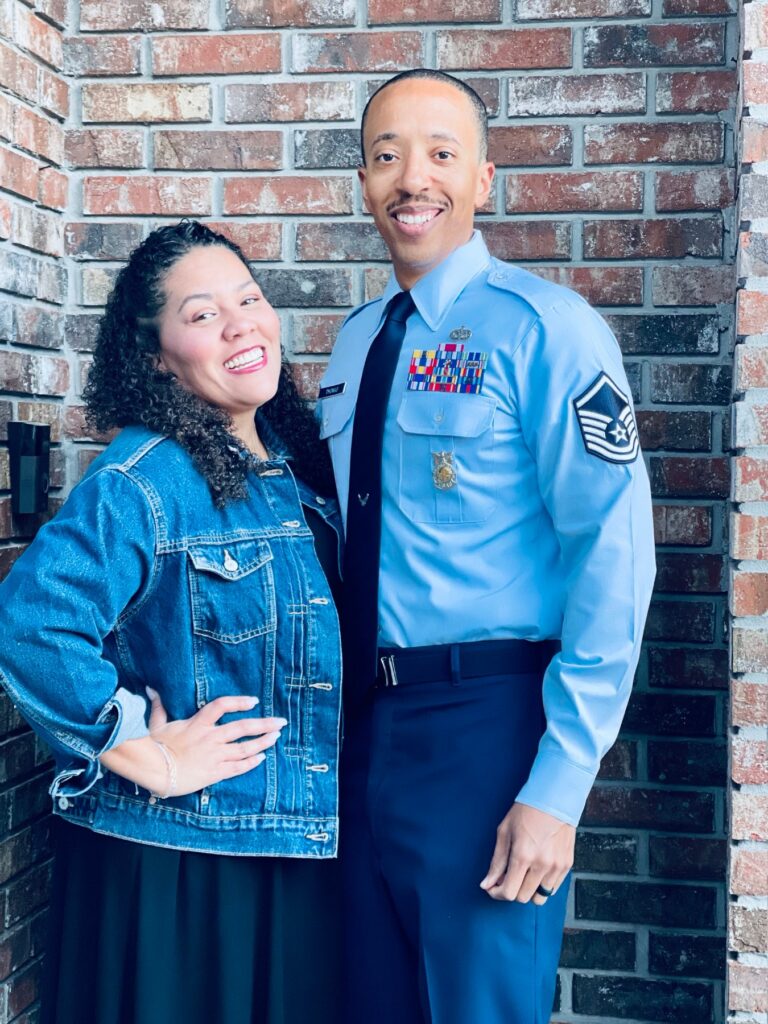
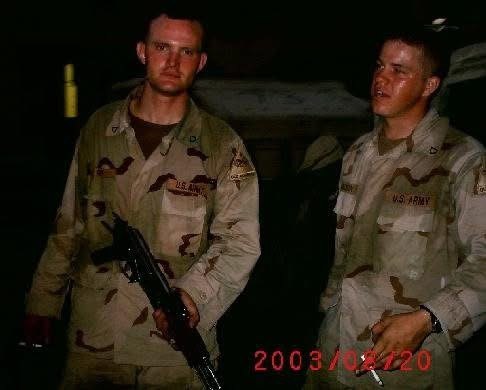
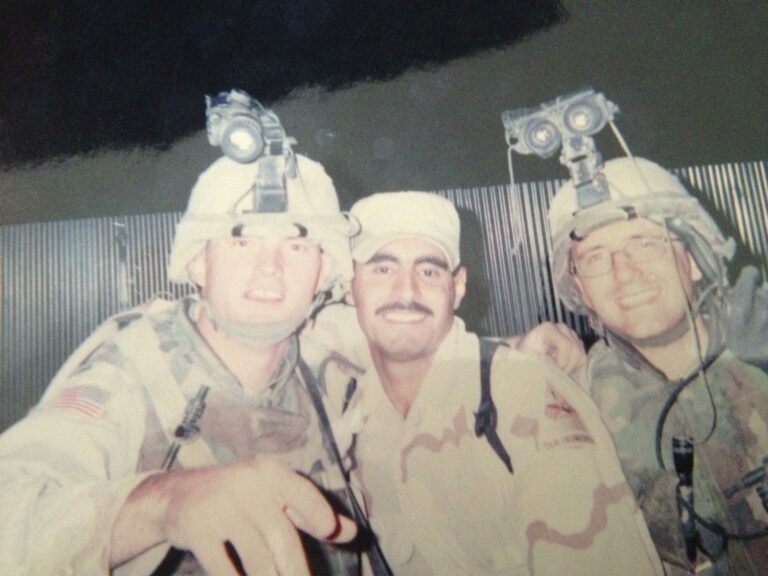
At The Uncommon Heart, we make a special effort to hold space for that understanding, and our staff reflects that commitment. Many of us have worn the uniform. Others are part of military families and know deployments and homecomings from the other side. You won’t have to explain why you sit facing the door, why sleep is hard, or why a crowded restaurant on Veterans Day might be the last place you want to be.
We don’t just treat veterans. We understand what you are carrying, because many of us have carried it too.
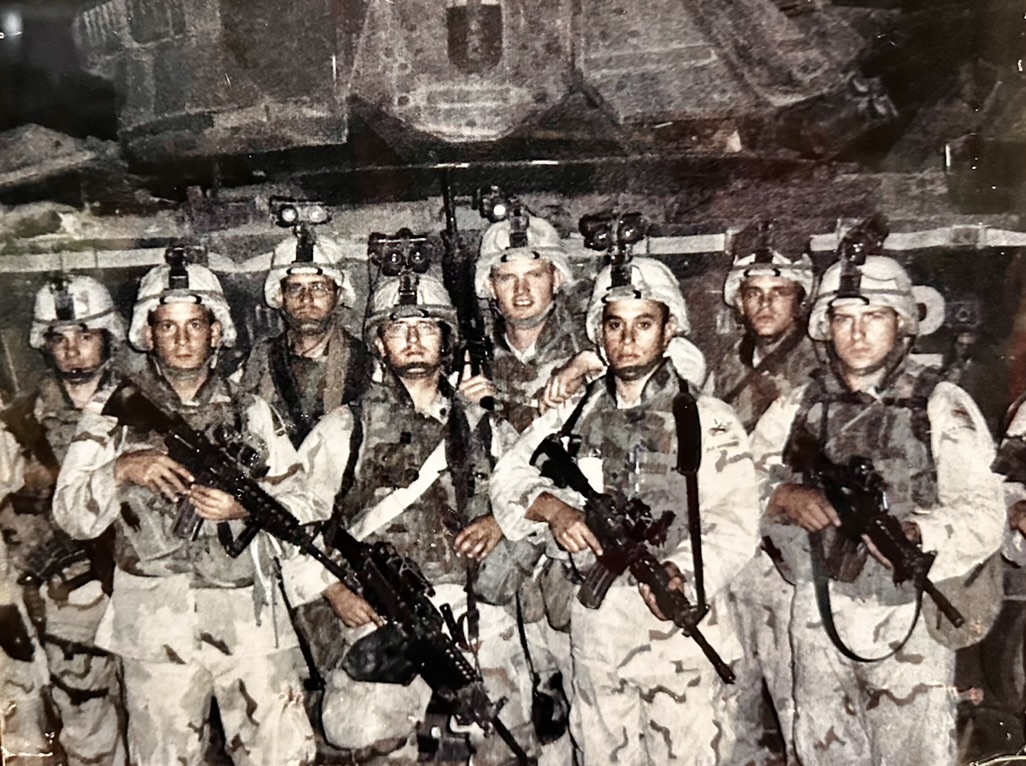
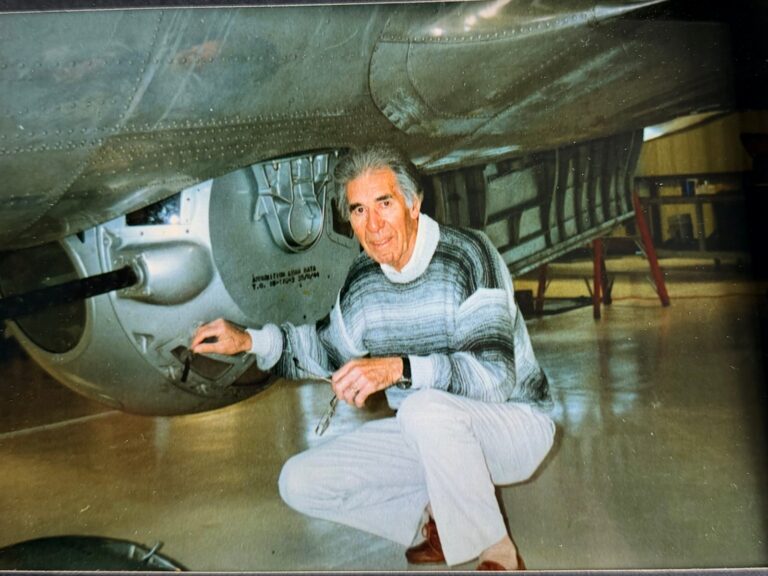
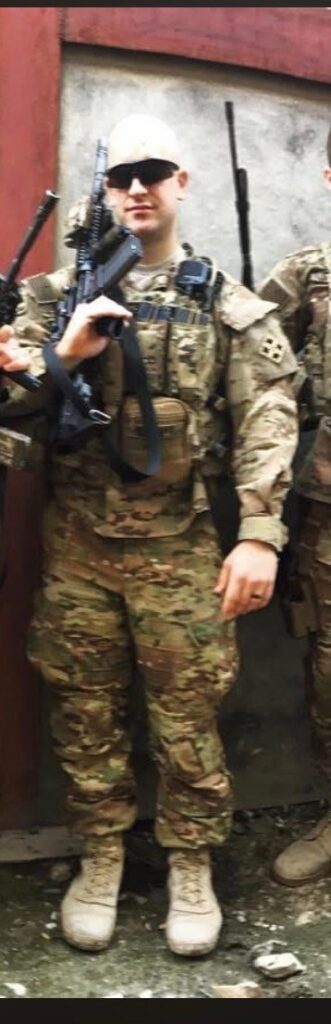
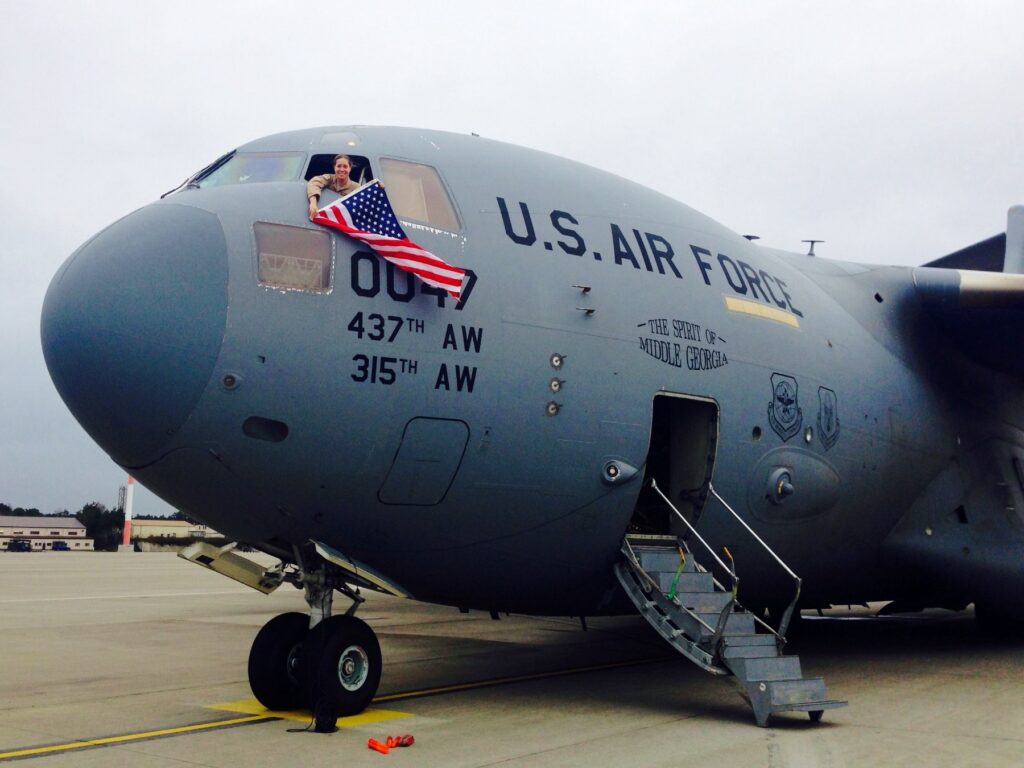
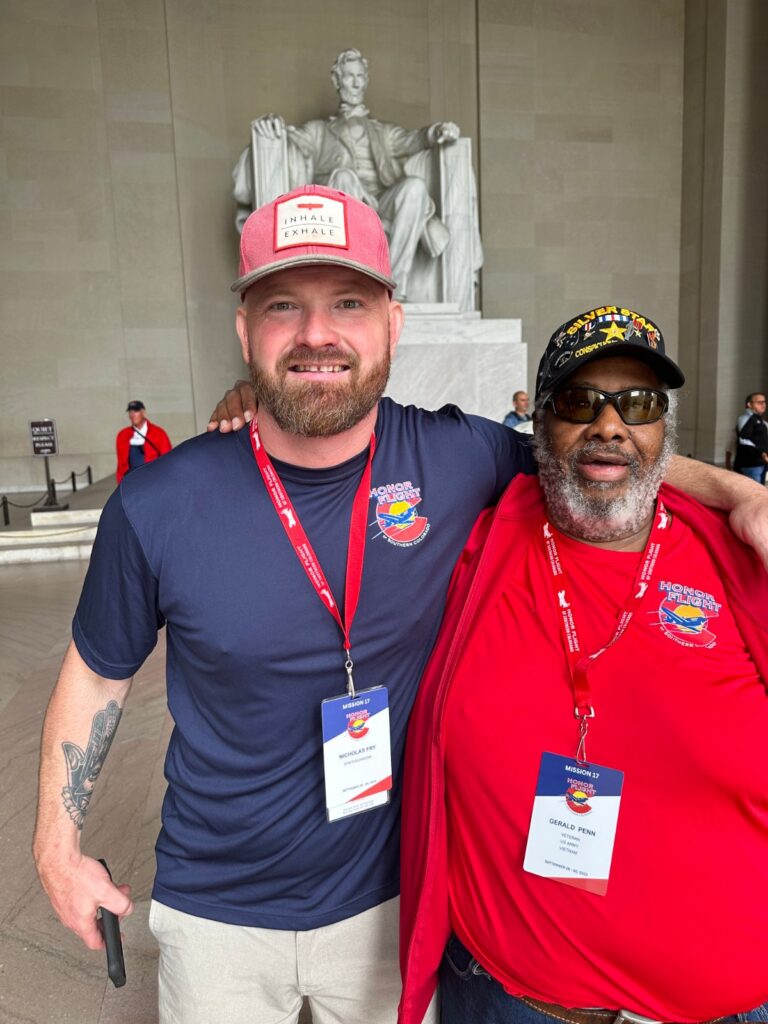
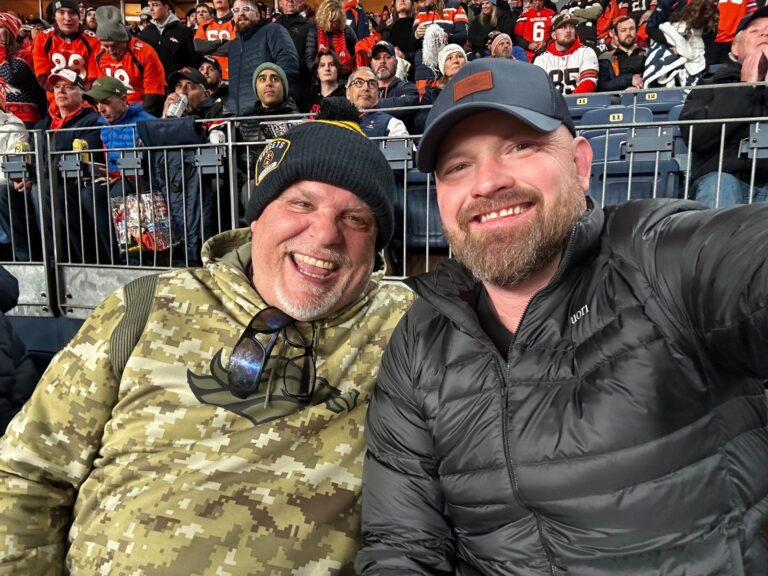
Our veteran family
To my fellow veterans
You don’t owe anyone a performance of gratitude in return. You also don’t have to carry all of it by yourself. If the thank yous make you uneasy, there’s usually a story underneath that deserves some attention. That isn’t weakness. It’s the part of you that still cares about what is right.
So this Veterans Day, instead of just thanking us, welcome us home. Instead of gratitude, help us feel welcome again. And if you do say thank you, mean it enough to stay for the answer.
And to every veteran reading this: welcome home. We are here to show you we mean it, whenever you’re ready.
If you’re struggling, call or text 988 to reach the Suicide & Crisis Lifeline. Veterans, press 1.
Nicholas Fry, MSW, LCSW, is the founder and clinical director of The Uncommon Heart in Colorado Springs and a combat veteran. Since 2018 he has helped combat veterans and Gold Star families heal from the traumas of war.
We see veterans in person in Colorado Springs and online anywhere in Colorado, and we’re in network with VA Community Care, so most veterans pay nothing out of pocket. We help with trauma and PTSD, moral injury, and everything that comes with the transition home. Roxanna also leads Veteran Pathfinder, a skills focused support group for veterans that meets every other Wednesday evening. When you reach out, you’ll be sitting with people who have lived it. Call or text 719-357-6507 and Abby will help you find the right fit.
Thank you for being part of this with us.
Want reflections like this in your inbox? Join our mailing list
Follow along on Instagram and Facebook